Quick Answer
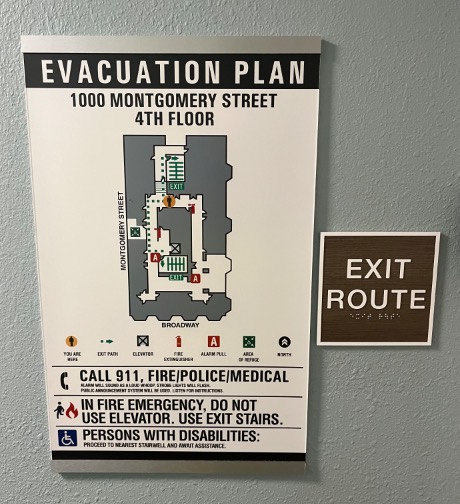
The five most common ADA signage mistakes are: wrong mounting height, missing California geometric restroom symbols, incorrect Braille grade or placement, insufficient contrast ratio, and using the wrong finish (glossy instead of matte). Each of these individually can fail an inspection and trigger liability under the Unruh Civil Rights Act.
⚡ Key Takeaways
- Mounting height errors are the #1 cause of failed ADA inspections — signs must be 48″–60″ from floor
- California requires geometric restroom symbols on doors that federal ADA does not mandate
- Grade II Braille is required, not Grade I — and Braille dots must be dome-shaped, not flat
- 70% minimum contrast ratio between text and background, with matte non-glare finish
What Are the Most Common ADA Signage Mistakes?
Mistake #1: Wrong Mounting Height
Signs must be mounted with the baseline of the highest tactile character between 48″ and 60″ from the finished floor. We regularly find signs mounted at eye level (65″+) or too low (40″). Both fail inspection.
Mistake #2: Missing California Restroom Door Symbols
Federal ADA requires tactile room signs beside restroom doors. California Title 24 additionally requires geometric symbols on the door itself — a raised triangle for men’s, a raised circle for women’s. Out-of-state vendors almost always miss this.
Mistake #3: Incorrect Braille
ADA requires Grade II (contracted) Braille — not Grade I. The dots must be dome-shaped with a specific height (minimum 1/32″), and positioned at least 3/8″ below the lowest line of tactile text. Flat-printed Braille or Grade I Braille will fail inspection.
Mistake #4: Insufficient Contrast
Text must have a minimum 70% contrast ratio against the sign background. Dark text on a medium-toned background, or light text on a light background, will fail. The most reliable approach: dark text on a light background, or white text on a very dark background.
Mistake #5: Glossy or Reflective Finish
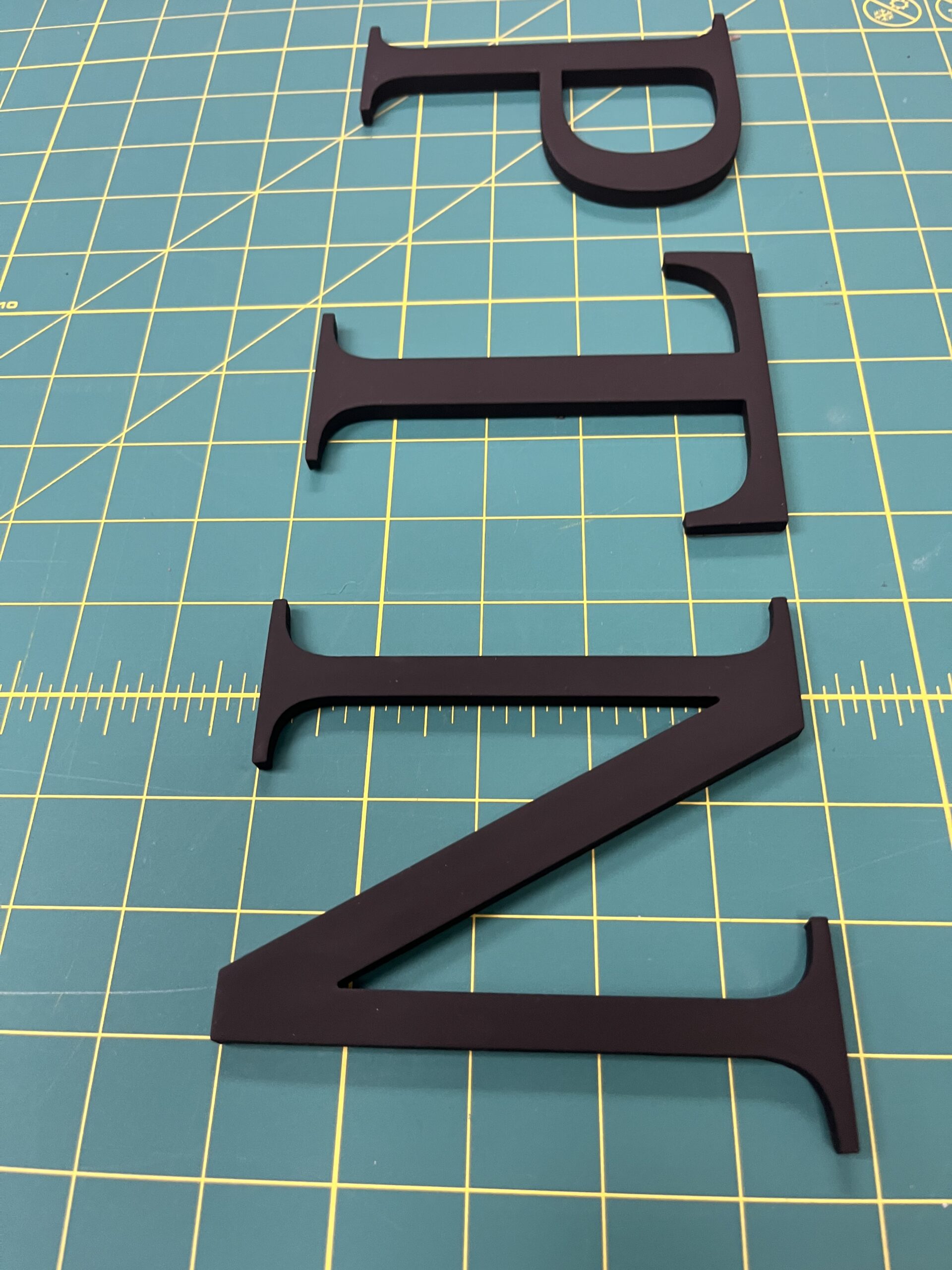
ADA requires a matte, non-glare finish on tactile signs. Glossy acrylics, high-sheen metals, and reflective laminates — even if they look premium — will fail inspection because glare reduces readability.
Worried About Your Signs?
We offer free on-site ADA compliance assessments. We’ll identify every non-compliant sign before your inspector does.
How Can You Prevent These Mistakes?
Work with a signage company that specializes in ADA compliance — not a general print shop that offers ADA signs as a side service. At Powell’s, every sign is fabricated to California Title 24 specifications (the stricter standard), so it passes inspection in any state. We verify mounting heights on-site during installation and provide compliance documentation for your records.
ADA Signage Mistakes FAQ
Get Your Signs Right the First Time!
Contact us for compliant ADA signage that passes inspection.
Related Articles